
Ready to feel as vibrant at 80 as you did at 40? Your metabolism doesn't have to slow down if you feed it with "intelligence." We've gathered the most surprising, age-defying superfoods to fuel your next 30 years—dive in and discover your new favorites!
Purple Sprouted Broccoli: The Anthocyanin Powerhouse for Cellular Defense
While standard green broccoli is a nutritional staple, the purple sprouted variety contains a higher concentration of anthocyanins, the same antioxidants found in blueberries. For those navigating their 60s and 70s, these pigments are vital for protecting cells against oxidative stress. This "intelligent" vegetable reportedly helps the body manage inflammation more effectively than its green cousin. It is also packed with sulforaphane, which supports the liver’s natural detoxification pathways.
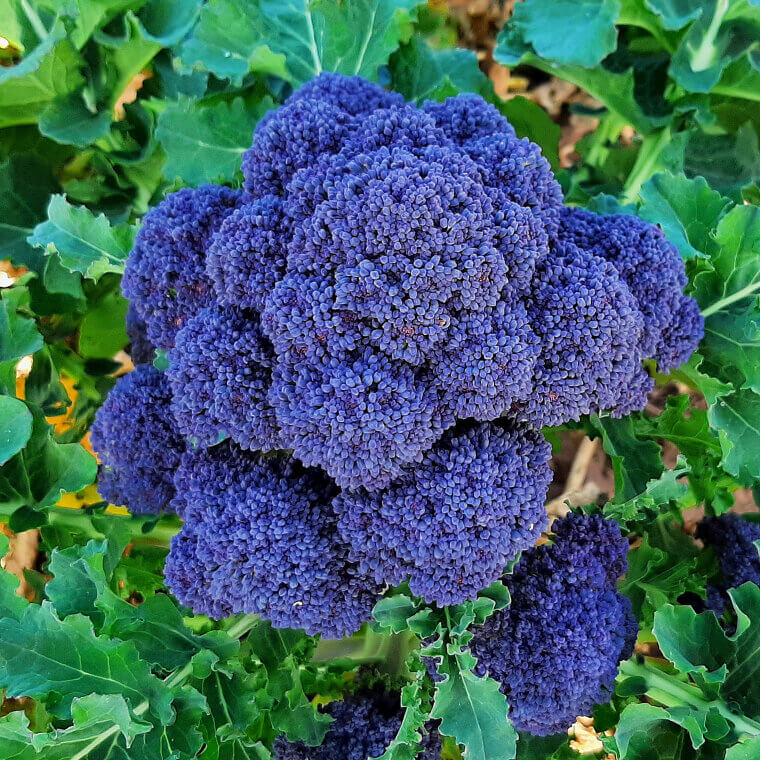
Steaming it lightly preserves these delicate compounds, ensuring your metabolism gets a sophisticated boost while keeping your defenses sharp for the decades ahead.
Fermented Black Garlic: The Sweet, Umami Secret to Arterial Elasticity
Black garlic isn't just a culinary trend; it is aged white garlic that has undergone a slow fermentation process. This transformation creates S-allyl-cysteine, a compound that is much easier for the aging body to absorb. It is allegedly more effective at supporting heart health and maintaining arterial flexibility than raw garlic, without the harsh bite or digestive upset. The mellow, balsamic-like flavor makes it easy to spread on whole-grain toast.
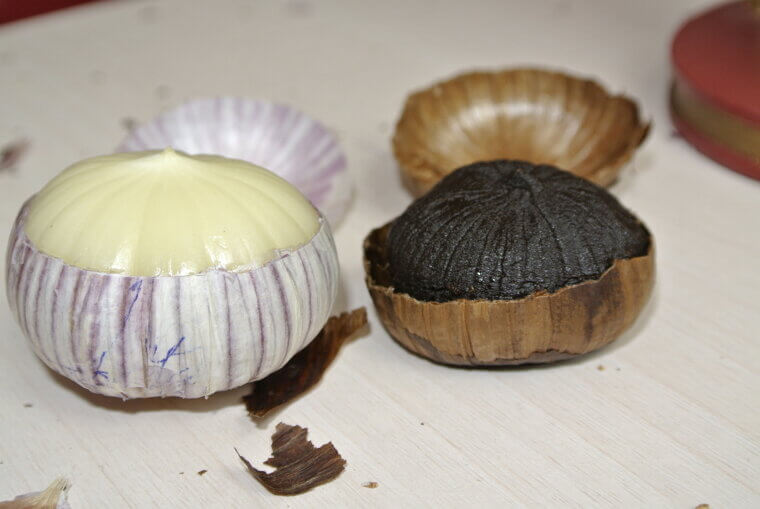
For an audience focusing on long-term cardiovascular resilience, this fermented gem offers a sophisticated way to manage cholesterol levels naturally and deliciously.
Tiger Nuts: The Ancient Prebiotic Tuber That Calms the Aging Gut
Despite the name, tiger nuts are actually small root vegetables used by our ancestors. They are arguably one of the best sources of resistant starch, a type of fiber that feeds the "good" bacteria in your microbiome. As we age, digestive efficiency can shift, and these tubers help maintain a balanced gut environment. They have a pleasant, nutty sweetness and can be eaten raw or ground into flour.
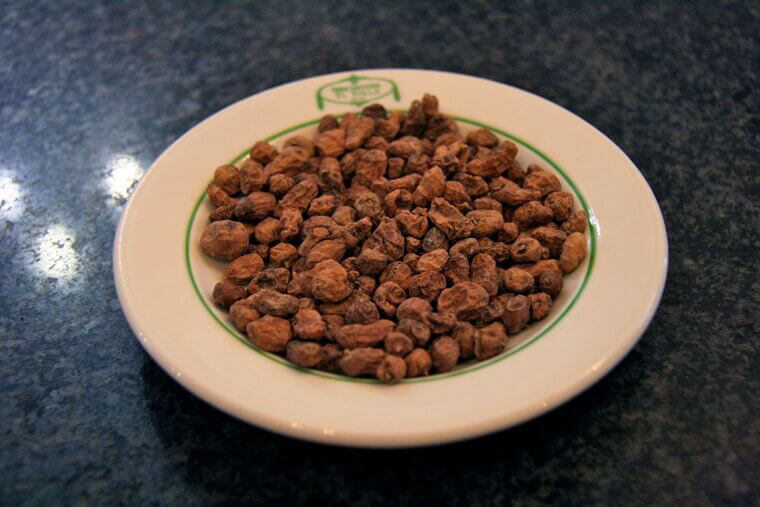
Reportedly, the high fiber content helps stabilize blood sugar levels, preventing the energy crashes that often plague a sluggish afternoon metabolism.
Okinawan Purple Sweet Potatoes: The Longevity Staple for Sustained Vitality
The elders of Okinawa are famous for their longevity, and many point to this vibrant tuber as their secret. Unlike white potatoes, these are loaded with complex carbohydrates and slow-release sugars that provide a steady stream of fuel. The deep purple hue signifies a massive dose of antioxidants that support brain health and cognitive function. They are surprisingly versatile, offering a creamy texture that satisfies cravings for sweets without the metabolic spike.

Including these in your weekly rotation provides the "metabolic intelligence" your body needs to maintain consistent energy throughout the day.
Lion’s Mane Mushrooms: The Fungi That Mimics a Brain-Boosting Tonic
This shaggy white mushroom is gaining a reputation as a "smart food" for its potential to support nerve growth factor. For those in the 45-85 age bracket, maintaining cognitive clarity is a top priority. Lion’s Mane is reportedly unique in its ability to support the brain’s natural repair processes. It has a mild, seafood-like texture when sautéed, making it a wonderful meat substitute. By incorporating this into your diet, you are fueling the very control center of your metabolism.
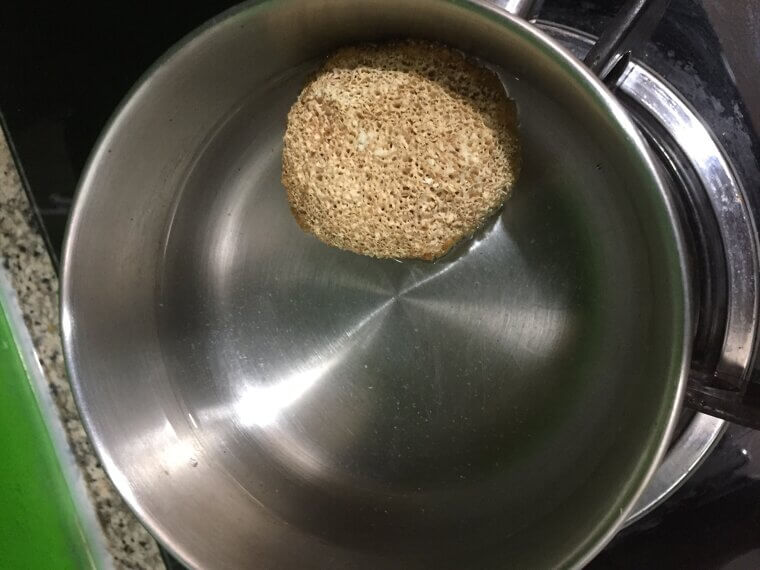
This ensures that your mind remains as sharp and active as your body. And that alone is reason enough to consume these mushrooms.
Buckwheat Groats: The Gluten-Free Seed That Shields Your Heart
Don't let the name fool you; buckwheat is a seed, not a grain, making it naturally gluten-free and easy on the aging digestive system. It contains a bioflavonoid called rutin, which is reportedly excellent for strengthening capillary walls and improving circulation. As we look toward the next 30 years, maintaining a robust circulatory system is essential for metabolic health. Buckwheat provides a nutty flavor and a satisfying crunch in salads or porridges.
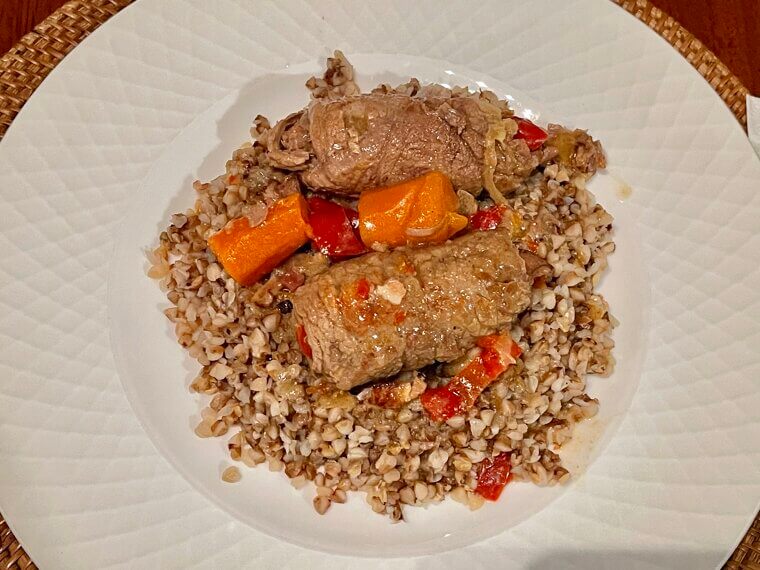
It also has a low glycemic index, ensuring that your insulin levels remain stable and your energy stays constant.
Camelina Oil: The "Gold of Pleasure" With a Perfect Omega Balance
Move over, olive oil; there is a new ancient oil making a comeback. Camelina oil has a high smoke point and a unique ratio of Omega-3 to Omega-6 fatty acids. For older adults, balancing these fats is crucial for managing systemic inflammation. This oil is also incredibly rich in Vitamin E, a powerful antioxidant that protects the skin and eyes from age-related wear. Its light, almond-like flavor is perfect for drizzling over steamed vegetables.
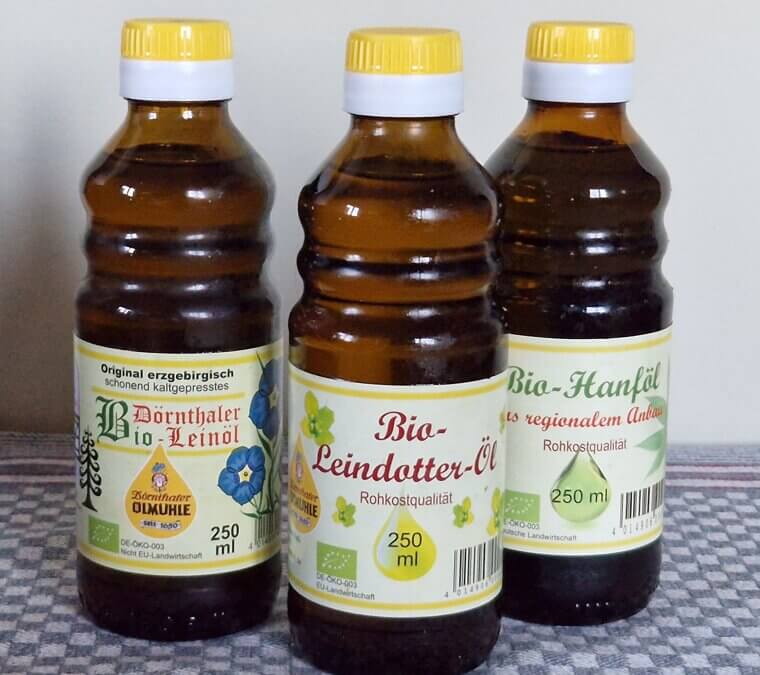
It is allegedly more stable than flaxseed oil, making it a smarter choice for daily kitchen use. So go ahead and stock up on camelina oil.
Adzuki Beans: The Tiny Red Legumes That Support Kidney Vitality
In traditional Eastern medicine, adzuki beans are often praised for their ability to support the kidneys and bladder. These small red beans are easier to digest than kidney or pinto beans, which is a major plus for those with sensitive stomachs. They are packed with protein and folic acid, essential for cellular repair and energy production. Their subtle sweetness allows them to be used in both savory soups and healthy desserts.
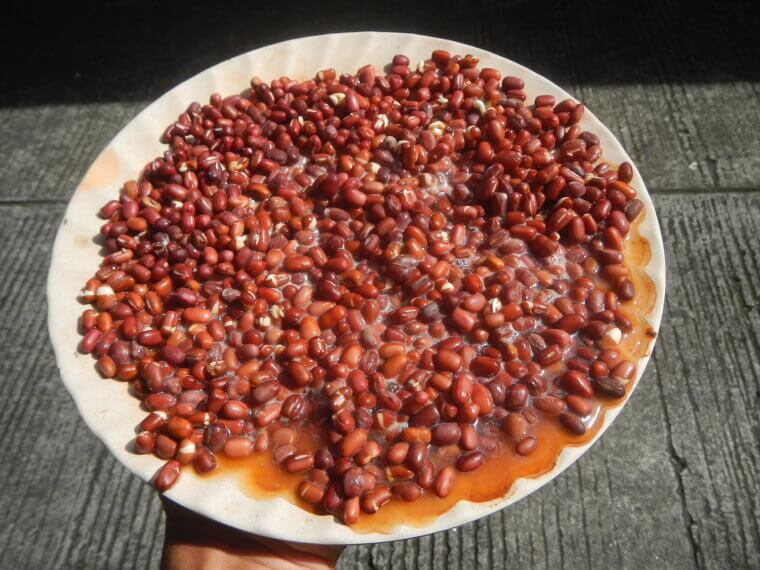
They reportedly act as a natural diuretic, helping the body manage fluid balance and reducing the feeling of heaviness or bloating.
Tempeh: The Fermented Soy Protein That Mimics Bone-Building Nutrients
Tempeh is made from fermented whole soybeans, offering a much more complex nutritional profile than tofu. The fermentation process breaks down anti-nutrients, making the minerals like calcium and magnesium highly bioavailable. For women in their 50s and 60s, these minerals are vital for maintaining bone density. Tempeh also provides a significant dose of probiotics, which support the "second brain" in the gut. Its firm texture and nutty taste make it a satisfying, protein-rich addition to any stir-fry.
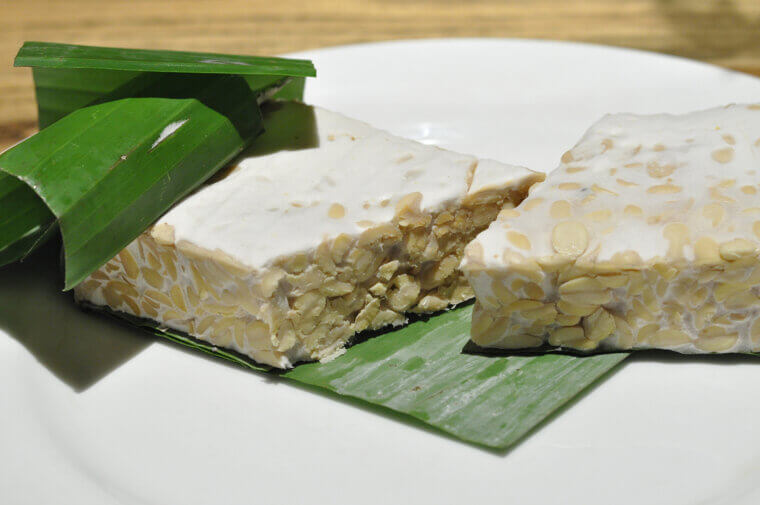
Tempeh preserves muscle mass as the metabolism naturally slows down. It is a true champion for aging bones and muscles.
Sardines With Bones: The Tiny Fish That Delivers a Massive Calcium Punch
Many people shy away from sardines, but they are a nutritional powerhouse for the aging body. When eaten with the soft, edible bones, they provide an incredible source of bioavailable calcium and Vitamin D. These nutrients are the cornerstones of skeletal health. Sardines are also low on the food chain, meaning they have significantly lower levels of mercury compared to larger fish like tuna. They are reportedly one of the best sources of EPA and DHA fatty acids.
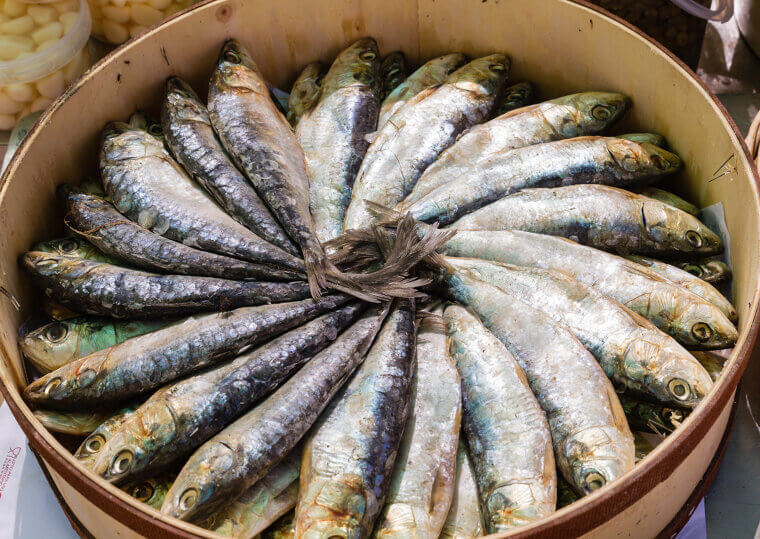
These acids keep the heart beating steadily and the brain firing on all cylinders, ensuring you remain sharp and healthy.
Sea Buckthorn Berries: The Tart "Holy Fruit" for Radiant Skin and Eyes
These bright orange berries are famously hardy, growing in some of the world's harshest climates. They contain a rare fatty acid called Omega-7, which is reportedly excellent for hydrating the skin and mucous membranes from the inside out. For those dealing with age-related dryness or eye strain, sea buckthorn is a literal lifesaver. The berries are quite tart, so they are often found in juices or oils.
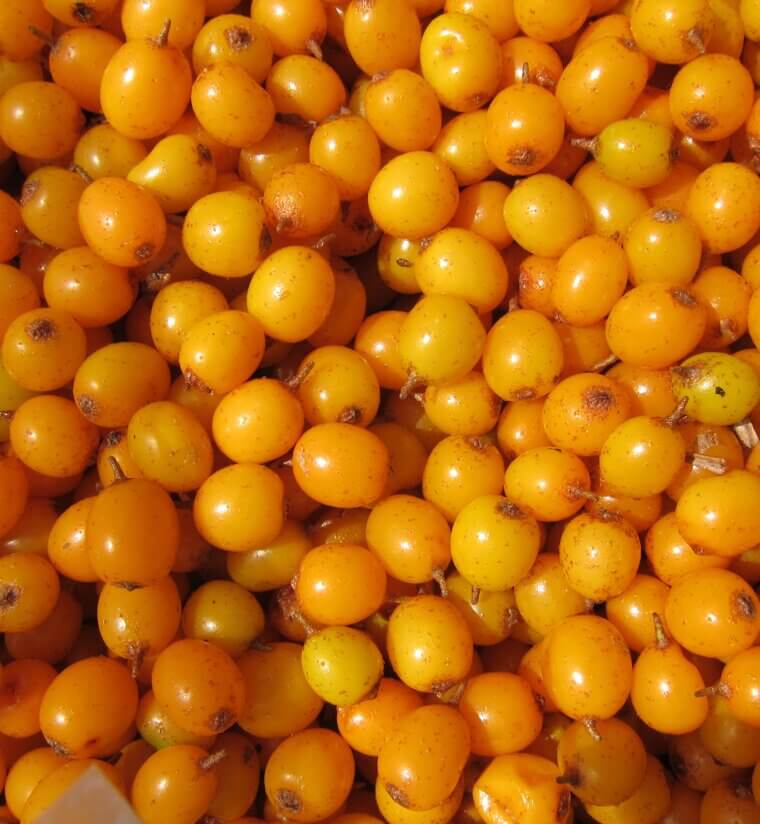
They provide a massive boost of Vitamin C, supporting the immune system and collagen production, which is essential for joint and skin elasticity as we continue to age gracefully.
Amaranth: The Ancient Grain That Packs a Complete Protein Punch
Amaranth was a staple for the Aztecs, and for good reason. It is one of the few plant-based foods that is a "complete" protein, containing all the essential amino acids the body cannot produce on its own. As we age, our protein requirements often increase to prevent muscle wasting. Amaranth is also rich in manganese, which is crucial for brain function and bone health. It can be popped like popcorn or cooked into a creamy porridge.
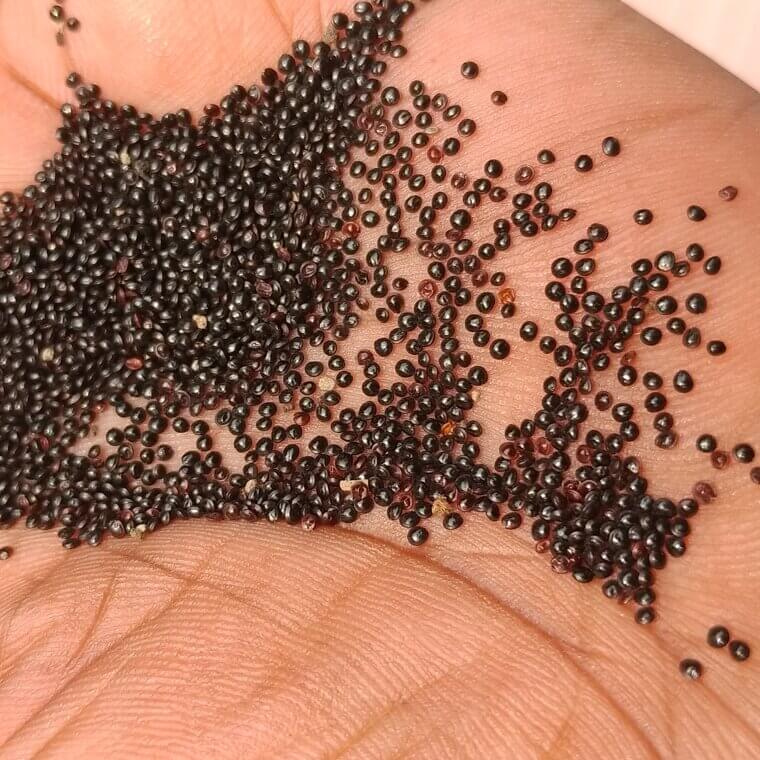
It allegedly helps lower blood pressure, making it a strategic "intelligence" food for heart health and long-term metabolic stability.
Aronia Berries: The Super-Dark Berries That Outperform Blueberries
Also known as chokeberries, these deep purple fruits have one of the highest antioxidant ratings of any food. They are significantly more potent than blueberries when it comes to neutralizing free radicals. For an audience looking to protect their cognitive health into their 80s, Aronia berries offer a concentrated dose of polyphenols. They can be a bit astringent when raw, so they are best enjoyed in smoothies or lightly sweetened jams.
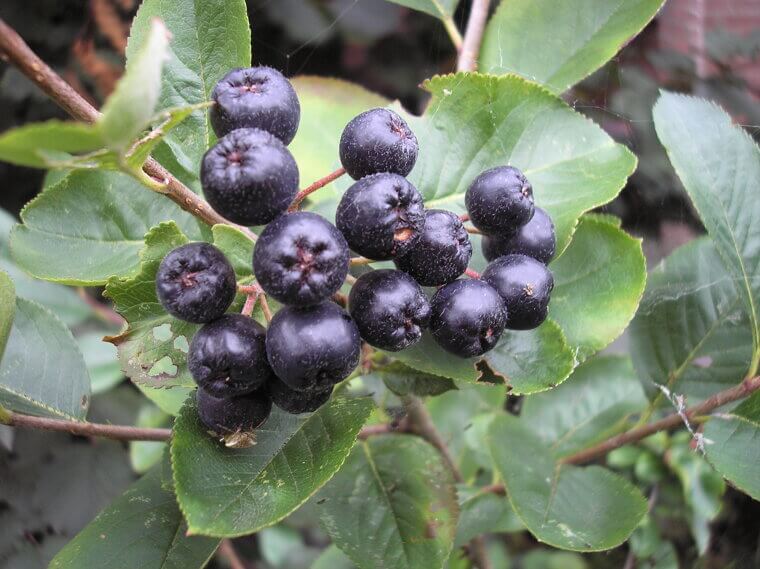
They reportedly help improve blood flow and reduce arterial stiffness, making them a top-tier choice for metabolic longevity and maintaining a healthy, vibrant circulatory system.
Purslane: The Common "Weed" That Is Secretly an Omega-3 King
Most gardeners pull purslane out of their flower beds, but they should be putting it in their salad bowls instead. Purslane reportedly contains more Omega-3 fatty acids than any other leafy green vegetable. It also boasts high levels of Vitamin A and C. For older adults looking to reduce inflammation without relying solely on fish oils, this succulent green is a perfect choice. It has a slightly lemony, peppery taste that brightens up any dish.

It is a true "intelligent" food because it grows effortlessly and provides premium, heart-healthy nutrition for absolutely no cost at all.
Kelp Noodles: The Mineral-Rich Pasta Swap for Thyroid Support
If you love pasta but want to avoid the heavy carbs and gluten, kelp noodles are a fantastic alternative. Made from sea vegetables, they are incredibly low in calories but high in iodine. Iodine is essential for thyroid function, which regulates the entire metabolism. As the thyroid can become less active with age, providing it with natural support is a smart move. Kelp noodles have a neutral taste and a slightly crunchy texture that softens when added to warm sauces.

They reportedly help with gentle detoxification and provide essential trace minerals that are often missing from modern diets.
Hemp Seeds: The Perfect Ratio of Essential Fats for Brain Clarity
Hemp seeds, or hemp hearts, offer a perfect 3:1 ratio of Omega-6 to Omega-3 fatty acids. This balance is ideal for long-term human health, especially for maintaining brain function and reducing joint discomfort. They are also a great source of plant-based protein and Vitamin E. For those in their 70s and 80s, adding a spoonful of hemp seeds to yogurt or oatmeal is an easy way to boost nutrient density without adding bulk.
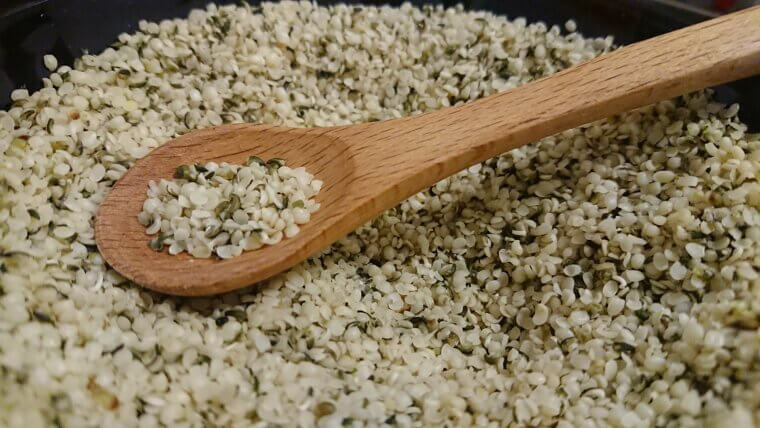
They are reportedly very easy to digest, making them a "smart" choice for maintaining a steady metabolic rate and keeping your mind clear.
Kimchi: The Spicy Fermented Cabbage for a Robust Immune Response
Kimchi is a traditional Korean staple that provides a powerful combination of fiber, vitamins, and live probiotics. The fermentation process creates unique strains of bacteria that are reportedly excellent for strengthening the immune system. For an older audience, a robust gut-immune connection is the first line of defense against seasonal illnesses. Kimchi also contains ginger and garlic, which have natural anti-inflammatory properties.Adding a small serving to your dinner plate can improve digestion.
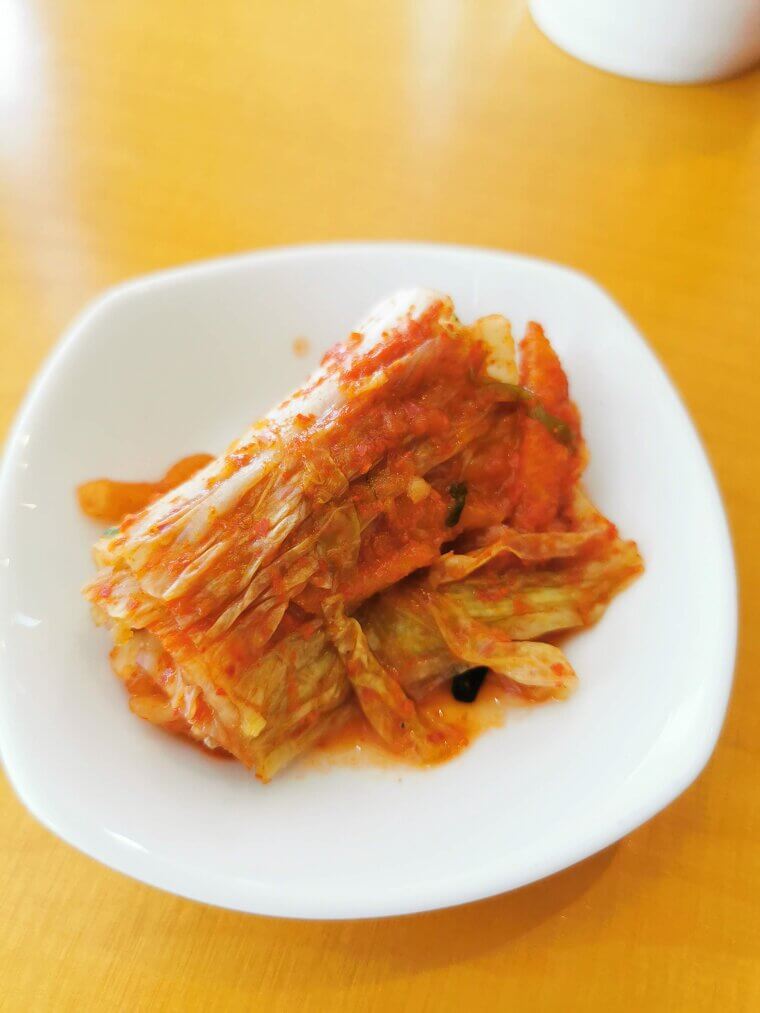
And it can help your body extract more nutrients from the other foods you are eating, making every meal more metabolically efficient and flavorful.
Teff: The Tiny Ethiopian Grain That Maximizes Iron Absorption
Teff is the smallest grain in the world, but it packs a massive nutritional punch. It is exceptionally high in iron and calcium, two minerals that are often lacking in the diets of older adults. Because the grain is so small, it is almost always consumed in its whole form, preserving the fiber and nutrients. Teff is reportedly great for managing blood sugar levels due to its high resistant starch content.
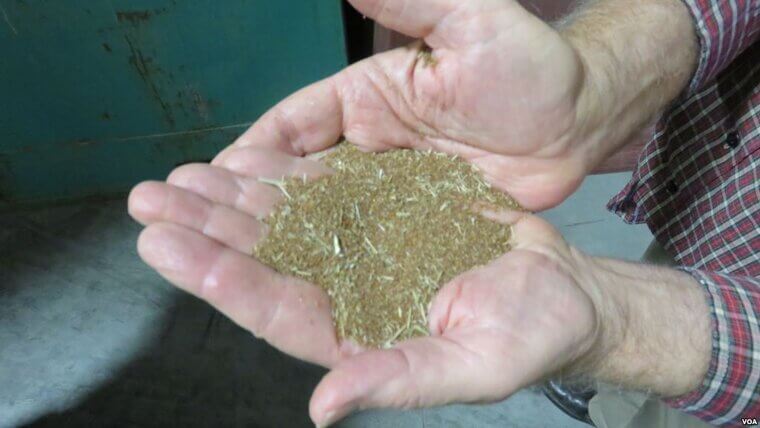
It has a mild, earthy flavor and can be used to make flatbreads or added to stews to thicken them, providing a hearty and healthy metabolic boost.
Miso: The Savory Paste That Protects Against Environmental Stress
Miso is a fermented soybean paste that has been a staple in Japanese longevity diets for centuries. It contains a unique probiotic called Aspergillus oryzae, which is reportedly excellent for gut health. Miso is also rich in Vitamin K2, which helps direct calcium away from the arteries and into the bones. For those concerned about heart health and bone density, a daily cup of miso soup is a brilliant metabolic strategy.
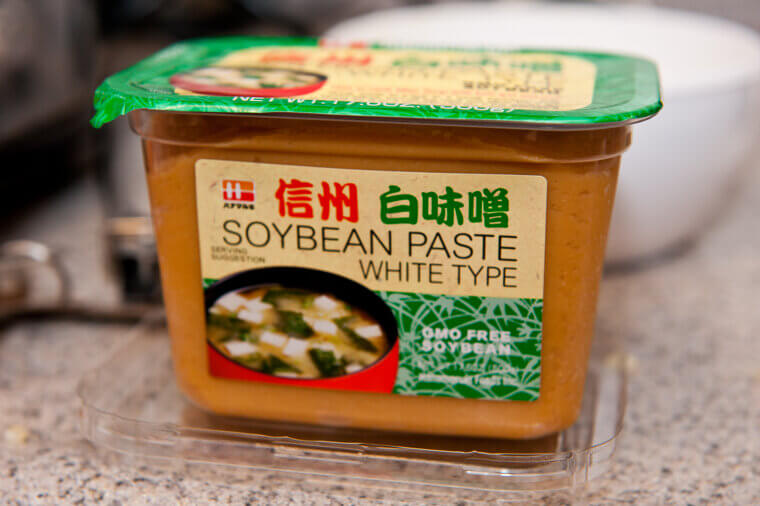
It provides a savory umami flavor that can reduce the need for excess salt in your cooking, supporting overall longevity and heart health.
Watercress: The Peppery Green That Targets DNA Repair
Watercress is often overlooked, but it is frequently ranked as the most nutrient-dense vegetable on the planet. It contains high levels of isothiocyanates, which are reportedly effective at supporting the body’s natural DNA repair mechanisms. As we age, our cells accumulate damage, so eating foods that support "intelligence" at a genetic level is a massive win. Watercress has a bold, peppery flavor that works well in sandwiches or salads.
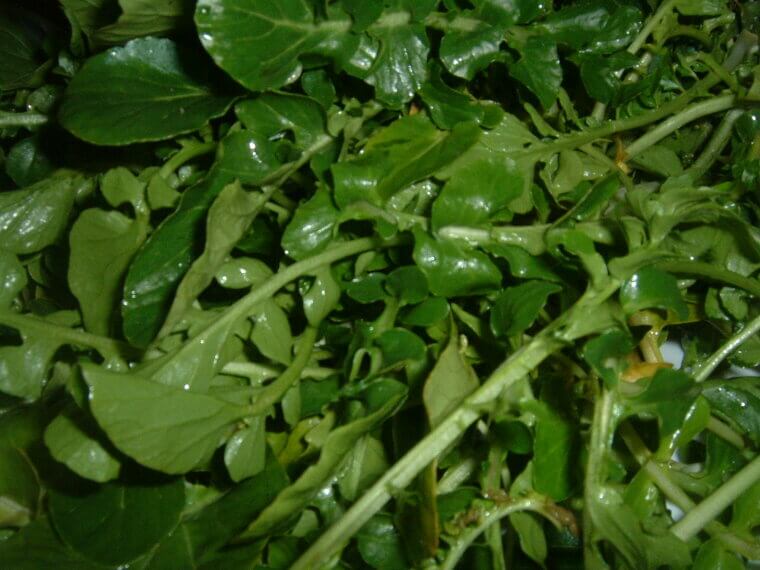
It is also a great source of Vitamin K, which is essential for blood clotting and bone strength, ensuring your body remains resilient and strong.
Natto: The Pungent Superfood for Ultimate Heart Longevity
Natto is fermented soybeans with a very strong flavor and sticky texture, but its health benefits are legendary. It is the single best source of nattokinase, an enzyme that reportedly helps dissolve blood clots and improve overall circulation. It is also the highest dietary source of Vitamin K2. For anyone over 50, K2 is a "must-have" for preventing arterial calcification. While the taste can be an acquired one, the metabolic rewards are immense.

It is often eaten with rice and a little soy sauce for a powerful, heart-healthy breakfast that keeps your blood flowing smoothly.
Daikon Radish: The Digestive Aid That Clears Out Metabolic Waste
Daikon is a large white radish common in Asian cuisine. It contains active enzymes like amylase and protease, which help the body break down complex carbohydrates and proteins. For an older metabolism that might be slowing down, these natural digestive aids are invaluable. Daikon is also high in Vitamin C and potassium. It reportedly helps the body process fats more efficiently and can act as a gentle decongestant.
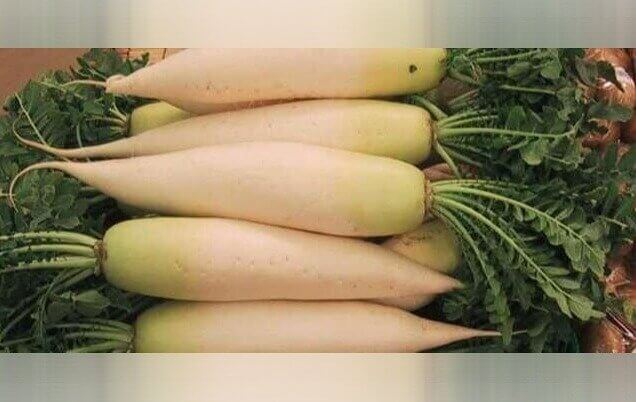
Whether eaten raw, pickled, or simmered in a soup, it adds a refreshing crunch and a boost of metabolic "intelligence" to your daily routine, keeping you feeling light.
Avocado Oil: The High-Heat Hero for Cellular Membrane Health
While avocados are well-known, their oil is a secret weapon for high-heat cooking. It is rich in oleic acid and lutein, an antioxidant that is essential for eye health. As we age, protecting our vision becomes a top priority. Avocado oil has a very high smoke point, meaning it won't break down into harmful compounds when you sear meat or vegetables. This protects your cells from unnecessary inflammation.
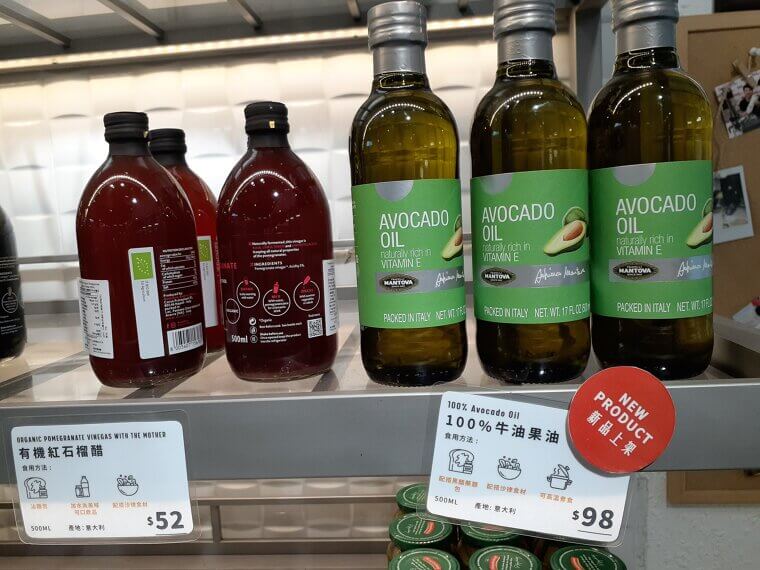
Reportedly, it also enhances the absorption of nutrients from other vegetables, making it a "smart" companion for every salad you eat, ensuring you get the most from your meals.
Kefir: The Liquid Gold That Repopulates Your Gut Microbiome
Kefir is a fermented milk drink that contains significantly more strains of beneficial bacteria than standard yogurt. These "friendly" microbes are essential for maintaining a strong immune system and a clear mind. There is a strong link between gut health and mood, which is particularly important as we navigate the transitions of aging. Kefir is reportedly easier to digest for those with lactose sensitivity because the bacteria consume most of the milk sugars.

It is a creamy, tangy way to ensure your metabolism stays active and your digestion remains smooth, helping you feel your best every single day.
Spelt: The Ancient Wheat Alternative for Steady Energy Levels
Spelt is an ancient cousin of modern wheat, but it has a completely different nutritional profile. It is higher in protein and minerals like zinc and magnesium. For those who find modern wheat difficult to digest, spelt is often a much gentler option. It provides a slow release of energy, which helps prevent the "afternoon slump" that many seniors experience. Reportedly, the fiber in spelt helps lower "bad" cholesterol levels.
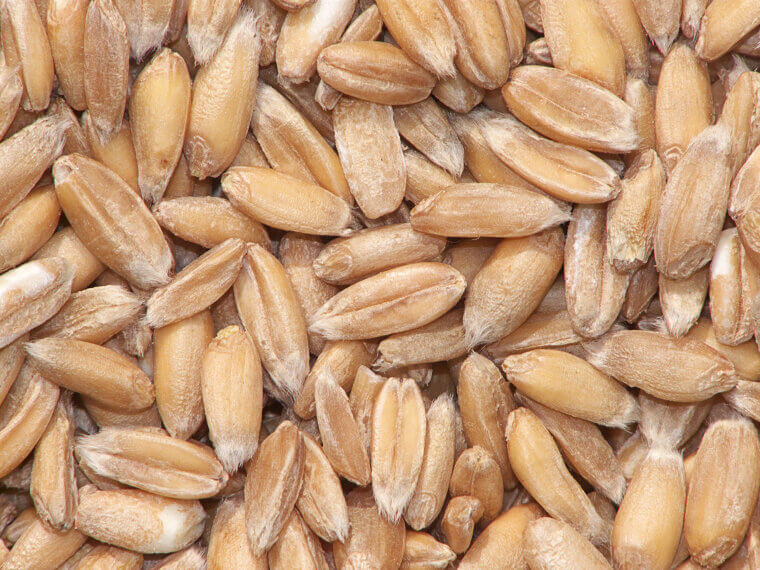
Its nutty flavor makes it a delicious choice for homemade breads or as a hearty base for grain bowls, providing long-lasting fuel for your active lifestyle.
Bee Pollen: The "Nature’s Multivitamin" for an Instant Vitality Boost
Bee pollen is a concentrated source of amino acids, vitamins, and minerals. It has been used for centuries to increase energy and stamina. For an older audience, a small sprinkle of bee pollen can provide a natural pick-me-up without the jitters of caffeine. It is reportedly excellent for supporting the respiratory system and may help reduce seasonal allergy symptoms. Because it is so nutrient-dense, you only need a tiny amount to reap the benefits.
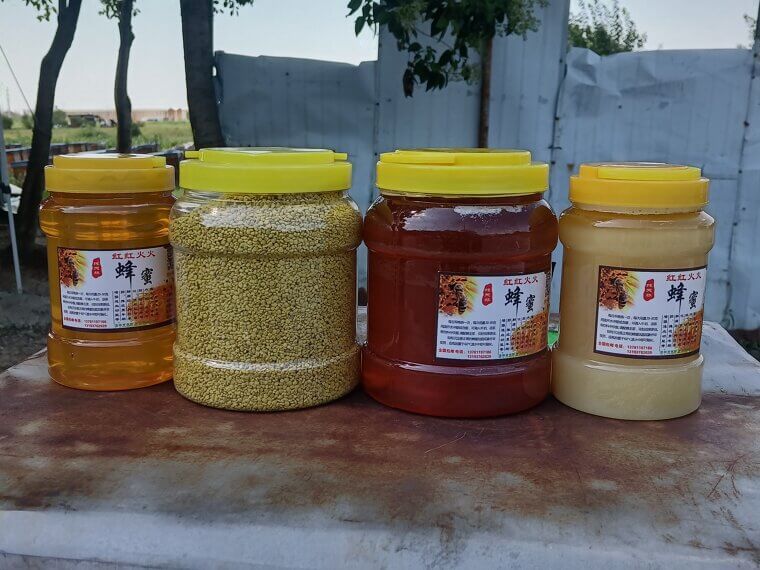
It has a floral, slightly sweet taste that pairs perfectly with morning yogurt, providing a gentle boost to your morning metabolic rate.
Nutritional Yeast: The Cheesy-Tasting Flakes for B-Vitamin Support
Nutritional yeast is a staple for many, but it is particularly beneficial for those over 60. It is often fortified with Vitamin B12, a nutrient that many older adults struggle to absorb from meat. B12 is crucial for nerve health and energy production. These flakes have a savory, cheesy flavor but are completely dairy-free. They can be sprinkled on popcorn, pasta, or roasted vegetables.

Reportedly, the beta-glucans in nutritional yeast also support a healthy immune response, making it an "intelligent" addition to a longevity-focused pantry that helps you feel energized and well-protected against illness.
Jerusalem Artichokes: The Inulin-Rich Tubers for Blood Sugar Control
Also known as sunchokes, these knobby tubers are not actually artichokes. They are a fantastic source of inulin, a type of prebiotic fiber that doesn't spike blood sugar. For those managing their glucose levels, Jerusalem artichokes are a "smart" substitute for potatoes. They have a sweet, nutty flavor when roasted and can also be eaten raw in salads. Reportedly, they significantly improve the absorption of calcium and magnesium.
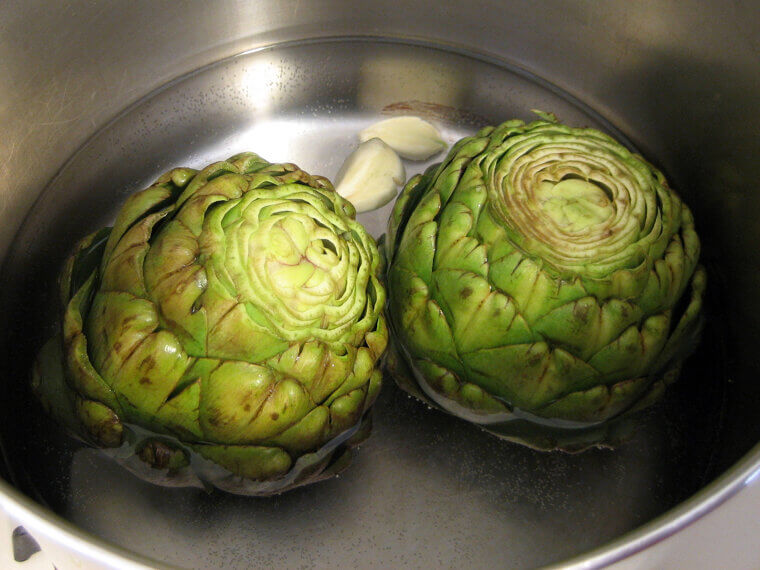
And that is a major benefit for maintaining bone health as the years go by. They are a delicious way to keep your blood sugar stable and bones strong.
Chlorella: The Single-Celled Algae for Gentle Heavy Metal Detox
Chlorella is a freshwater algae that is incredibly rich in chlorophyll. It is famous for its ability to bind to heavy metals and toxins in the body, helping to usher them out safely. As we age, our bodies can accumulate environmental toxins that slow down our metabolism. Chlorella provides a concentrated dose of Vitamin B12, iron, and Vitamin C. It is reportedly one of the most effective foods for supporting liver health.
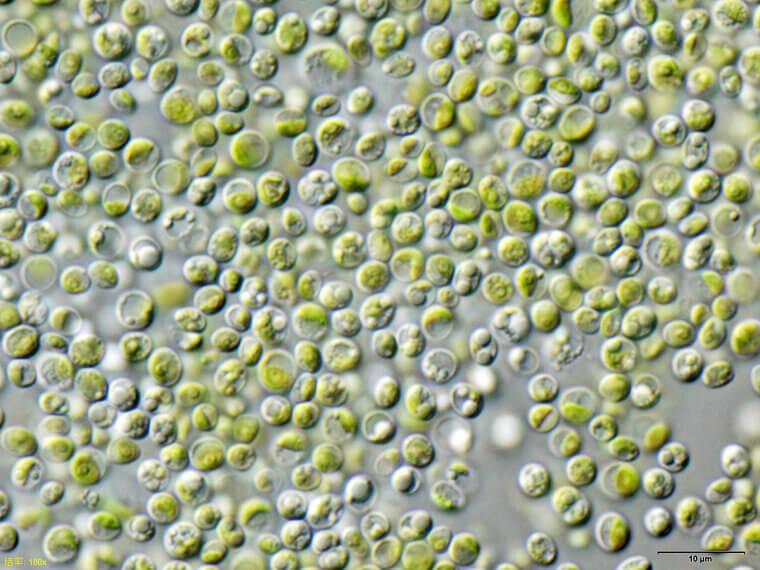
Taking it in tablet or powder form can help keep your internal systems "clean" and functioning at peak efficiency for many more decades.
Ghee: The Clarified Butter That Heals the Digestive Lining
Ghee is butter that has been simmered to remove the milk solids and water, leaving behind a pure, golden fat. It is rich in butyrate, a short-chain fatty acid that is the preferred fuel for the cells lining your colon. For older adults, maintaining a healthy gut barrier is essential for preventing systemic inflammation. Ghee has a high smoke point and a rich, nutty flavor. It is reportedly easier on the gallbladder than regular butter.

And it provides essential fat-soluble vitamins like A, D, and E for metabolic support, making your cooking both healthy and incredibly flavorful.
Sorghum: The Ancient Grain That Fights Internal Inflammation
Sorghum is a gluten-free ancient grain that is exceptionally high in phenolic compounds. These antioxidants are reportedly very effective at reducing inflammation throughout the body. For an audience dealing with joint stiffness or slow recovery, sorghum is a "smart" dietary addition. It can be cooked like rice, ground into flour, or even "popped" like corn. It has a mild flavor that absorbs the seasonings of any dish.
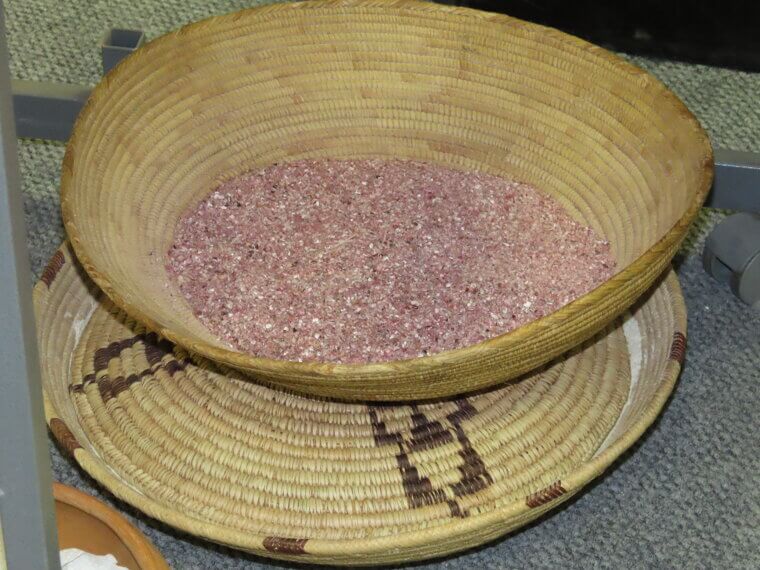
Its high fiber content also ensures that you stay full longer, helping with natural weight management as you age, keeping your body feeling light, agile, and well-nourished.
Gooseberries: The Super-Tart Fruit for Maximum Collagen Support
Whether you choose the European variety or the Indian Amla berry, gooseberries are a Vitamin C powerhouse. They contain much more Vitamin C than oranges, which is vital for the production of collagen. Collagen is the "glue" that holds our joints, skin, and blood vessels together. For those looking to stay mobile and vibrant into their 80s, gooseberries are a metabolic essential. They are quite tart, so they are often used in chutneys or lightly cooked.
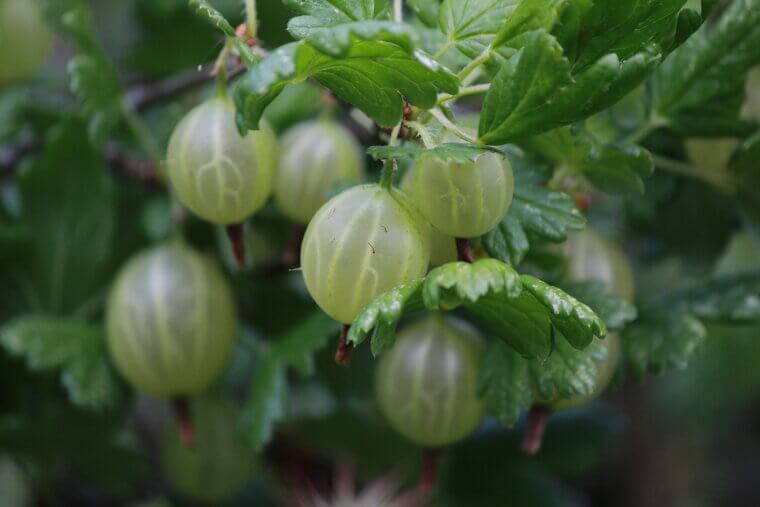
Reportedly, they also help regulate blood sugar and support healthy hair growth, keeping you looking and feeling youthful and strong.
Dandelion Greens: The Bitter Tonic for Optimal Liver Function
Don't ignore the dandelions in your yard; their leaves are one of the best foods for your liver. The bitter compounds in these greens stimulate bile production, which is necessary for the digestion of fats and the removal of toxins. For an older metabolism, supporting the liver is the key to maintaining energy and clarity. Dandelion greens are also high in Vitamin K and calcium.
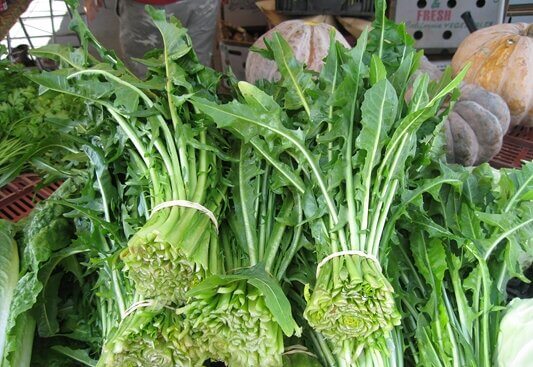
They have a sharp, bitter taste that is best balanced with a lemony dressing or by lightly sautéing them with garlic and olive oil, ensuring your liver stays healthy and your metabolism active.
Anchovies: The Brain-Protecting Fish That You’re Probably Overlooking
Like sardines, anchovies are small fish that are incredibly high in Omega-3 fatty acids and low in toxins. They are also a great source of selenium, an antioxidant that supports thyroid health. For those in the 45-85 age group, anchovies provide the essential fats needed to keep the brain's "gray matter" healthy and functional. They melt into sauces, providing a deep umami flavor without a "fishy" taste.

Reportedly, they help lower triglycerides and improve the health of the lining of your blood vessels, making them a true "intelligence" food for a long, healthy, and very sharp life.
Fenugreek Seeds: The Fragrant Spice That Sharpens Insulin Sensitivity
Fenugreek is a spice commonly used in Indian cuisine, and it has a unique ability to improve how the body uses insulin. As we age, our cells can become less responsive to insulin, leading to blood sugar issues. Fenugreek contains fiber and compounds that reportedly slow down the absorption of carbohydrates. The seeds have a slightly sweet, maple-like aroma. They can be soaked overnight and eaten, or added to curries and stews.
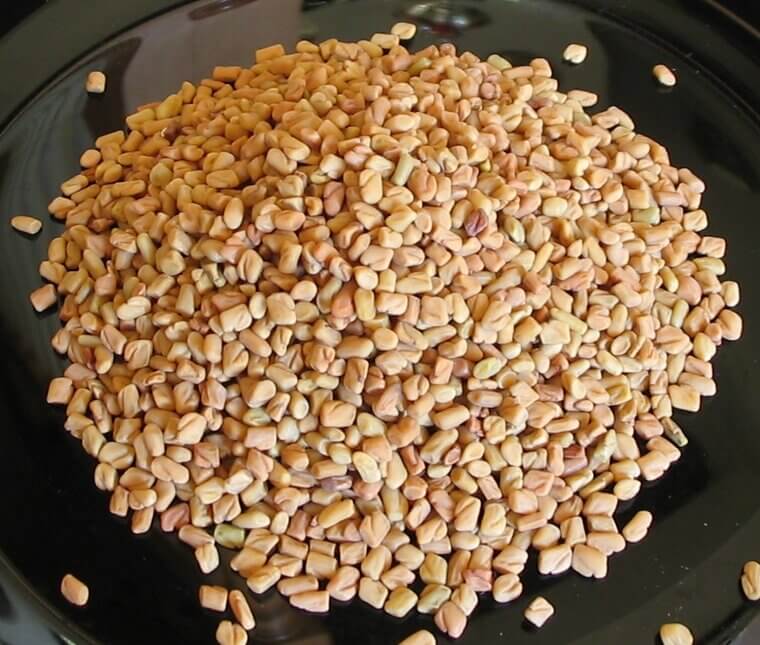
They are an "intelligent" way to flavor your food while simultaneously protecting your metabolic health for the long haul, ensuring you remain vibrant and well-fueled.